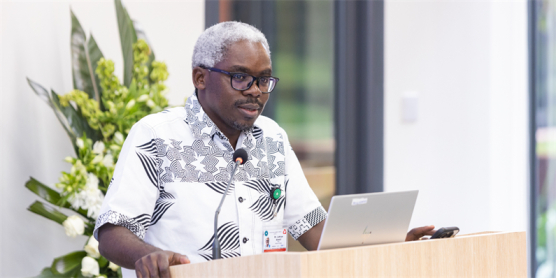
African health systems are entering their most difficult decade since independence due to funding cuts, climate shocks, supply chain fragility and global retreat from multilateralism, says Senior mental health expert, Dr. Lukoye Atwoli.
Speaking on Monday during the World Health Summit Regional Meeting in Nairobi, Dr. Atwoli said the World Health Summit must move from “lamentations” to solutions, commitments, and accountability frameworks for action, noting a broader geopolitical shift and a “global retreat from multilateralism” that he said has weakened collective support systems African countries have traditionally relied on.
According to him, these combined pressures have placed African health systems under unprecedented strain, requiring urgent rethinking of how healthcare is financed, delivered and sustained.
Latest Stories
- KURA reports progress on diversity and inclusion in workforce
- Mohit claims victory in opening leg of PGK Equator Golf Tour
- Suspect in viral hate speech video detained for 10 days to allow probe
- Iran blames US demands for failed Islamabad peace talks
- Tribunal freezes FKF ouster of Hussein Mohamed over Sh42m CHAN funds
“This summit arrives at a moment, therefore, of acute need,” he said, stressing that the timing of the meeting reflects the urgency of the situation facing the continent’s health sector.
The World Health Summit Regional Meeting opened in Nairobi on Monday, bringing together global health leaders, ministers, researchers and private sector delegates to discuss the future of healthcare in Africa.
The three-day summit is being held at the United Nations Office at Nairobi (UNON) from April 27 to 29 under the theme “Reimagining Africa’s Health Systems: Innovation, Integration and Interdependence.”
Nairobi was selected as host because of Kenya’s growing role in health diplomacy, digital health innovation and its status as home to the only UN headquarters in Africa and the Global South.
The summit aims to address urgent challenges including the rising burden of chronic diseases, changing infectious disease patterns, climate-related health risks, workforce shortages and health financing gaps across Africa. More than 2,000 delegates from over 50 countries are expected to attend over 70 sessions.
Dr. Atwoli said Nairobi is the “right place” for such discussions, describing the city as a symbol of Africa’s ambition and institutional credibility. He noted that the presence of global institutions such as the United Nations reinforces its role as a hub for international dialogue on health.
He said the World Health Summit brings together a wide range of stakeholders, including policy makers, political leaders, academics, researchers, civil society actors and the private sector, all of whom are expected to contribute to discussions on “reimagining African health systems”.
The health expert emphasized that the outcome of the meeting must go beyond traditional approaches to health conferences in Africa, which he said have often focused on identifying problems without producing concrete solutions.
“Historically, meetings about Africa and Africa’s health have been about lamentations,” he said. “Have been about framing the problems and have been about listening to people coming into Africa to tell us what our problems are.”
Dr. Atwoli said the Nairobi meeting should mark a shift from that pattern by producing practical outcomes.
“This meeting will be different,” he said. “We will also generate solutions, make commitments about the actions that we need to take, and develop frameworks for accountability.”
The health expert stressed that accountability would be central to ensuring that commitments made during the summit are implemented and not forgotten.
“So that next year, we will come back and ask ourselves whether we did the things that we promised to do,” he said.
Dr. Atwoli added that the summit should conclude with a declaration that is not symbolic but enforceable, saying it should contain “actionable points that we will all take home and implement.”
He said the urgency of the current moment is shaped by multiple converging crises, including environmental pressures, economic constraints and global political shifts, all of which are reshaping the future of healthcare in Africa.
He urged participants to use the summit to move beyond diagnosis of problems and instead focus on delivering measurable change that can strengthen health systems across the continent in the years ahead.


Comments
Sign in with Google to comment, reply, and like comments.
Continue with Google